


Your Degree Does Not Determine Your Opportunity
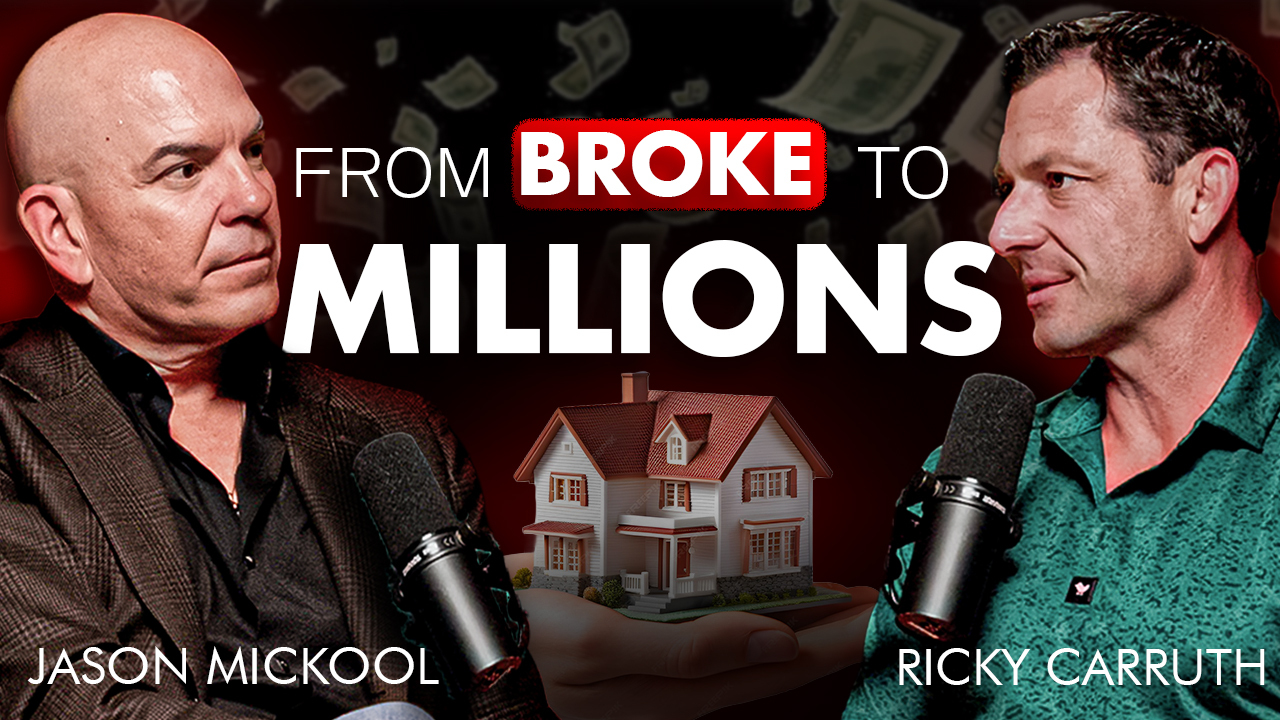
Ricky's parents wanted him to be a doctor or a lawyer. He saw a different path. Real estate was one class to get licensed. Same earning potential as people who spent a decade in school.
"It doesn't have anything to do with your degree as much as it has to do with your hustle. And your desire to be the best."
The downside: a low barrier to entry floods the field with competition. Right now, 71% of licensed real estate agents have zero listings and did zero deals last year. Easy to get in. Hard to succeed. Learn why TTPB exists to connect students with careers that reward performance over credentials.
Making Money Is Not the Same as Building Something
In the mid-2000s, properties on the Alabama coast were appreciating so fast that selling felt effortless. Ricky would call 10 people, find someone who wanted to cash out, list the property, close it the next day, collect the check. The client rode off into the sunset and never talked to him again.
"I didn't care because I could just make 10 more phone calls and make another 30 grand. I never had a sense of I need to create relationships with these people. That's how I thought it was done."
When the market crashed, he had no one. Every client was gone. Every deal had been a transaction. He had extracted value for years without building anything that would survive a downturn.
"Those same people I sold to when things were going great? They were still buying and selling. When I was sleeping in the car and working on an oil rig, they were still doing deals. The market didn't disappear. My network did."
Serving Tables Taught Him More Than Closing Deals
Before real estate, Ricky served tables. Before that, he roofed houses with his dad. Both jobs shaped how he rebuilt his career.
"When you're serving tables, you walk up and you're like, what would you like to drink? What would you like to eat? You don't walk up and say you're gonna have sweet tea, and also you're gonna have the hamburger. That's what salespeople come across as."
The job is not to convince people. The job is to help them do what they already want to do.
"The more time I waste on people, the more money I made. I used to show property to people who weren't qualified, who weren't ready. Eventually they became qualified. Eventually they bought millions of dollars worth of properties from me."
Early in your career, every person is worth your time. They may not be ready now. They remember who helped them before they were ready. Browse jobs from employers who understand this.
Why 95% of People Avoid Sales and the 5% Have Leverage
"Nothing is more of a noble career than sales. Salespeople are what make the entire economy go round. If nobody sold anything, no money would exchange hands and there would be no circulation of money in the economy."
Ninety-five percent of people hate sales. But 95% of people love to buy. The 5% who embrace selling have leverage that the other 95% will never have.
"There are thousands and maybe tens of thousands of people who would love to buy what you would love to sell. They just don't know who you are."
That is the opportunity. If you are willing to do what most people avoid, you gain access to income and independence most people never find. Book a speaker who can show students what a sales career looks like.
H2: You Need a Story Before You Can Teach
Ricky waited 15 years before he started teaching other agents. He made a million, lost it all, was homeless, came back, spent six years getting to 100 deals a year, stayed at that level for three years. Then he started coaching.
"A lot of agents get in the business and they'll sell for two years. They'll sell 12 properties and now they're selling a course for 500 bucks to agents. You gotta become great at something before you can become a person of interest. You can't just become a person of interest because you're a human. You gotta have a story."
The formula: pick a career, dominate it for five to ten years, document the process as you go. By the time you have something worth teaching, you will already have an audience that watched you earn the right to teach it. The Incubator Hub is for students ready to start building now.
Is a Sales Career Right for You?
Do you need a college degree to succeed in sales?
No. Many high-income sales careers require only a license or certification, not a four-year degree. Real estate requires one class to get licensed, and top agents earn more than most doctors and lawyers. The same is true for insurance, financial services, and other commission-based fields. What matters is your hustle, your ability to build relationships, and your willingness to stay in the game long enough to build a client base. A degree does not determine your opportunity. Your execution does.
Why do most salespeople fail?
Most salespeople fail because they chase transactions instead of building relationships. They focus on closing the deal in front of them rather than helping the person in front of them. When market conditions change, they have no network to fall back on. Right now, 71% of licensed real estate agents have zero listings and completed zero transactions last year. The barrier to entry is low, which floods the field with competition. The people who last are the ones who invest in relationships during the good times so they have a foundation when conditions change.
Is sales a good career path?
Sales can be one of the best career paths for people willing to work without a guaranteed paycheck. Ninety-five percent of people avoid sales, which means the 5% who embrace it have access to opportunities and income that most people never see. Salespeople make the economy function. Every product and service that exists depends on someone willing to sell it. If you can handle rejection, stay consistent, and focus on helping people rather than convincing them, sales offers unlimited earning potential without requiring years of expensive education.
How do you build a career that survives a downturn?
You build a career that survives by focusing on relationships over transactions. Spend time with people who are not ready to buy yet. They will remember who helped them before they were qualified. Follow up consistently without pressure. Treat every interaction as an investment in future business rather than a chance to close today. When conditions change, the people who built real relationships keep working because their network stays active. The people who chased transactions have no one to call.
Have more questions? Visit our FAQ page or contact us directly.


.avif)