


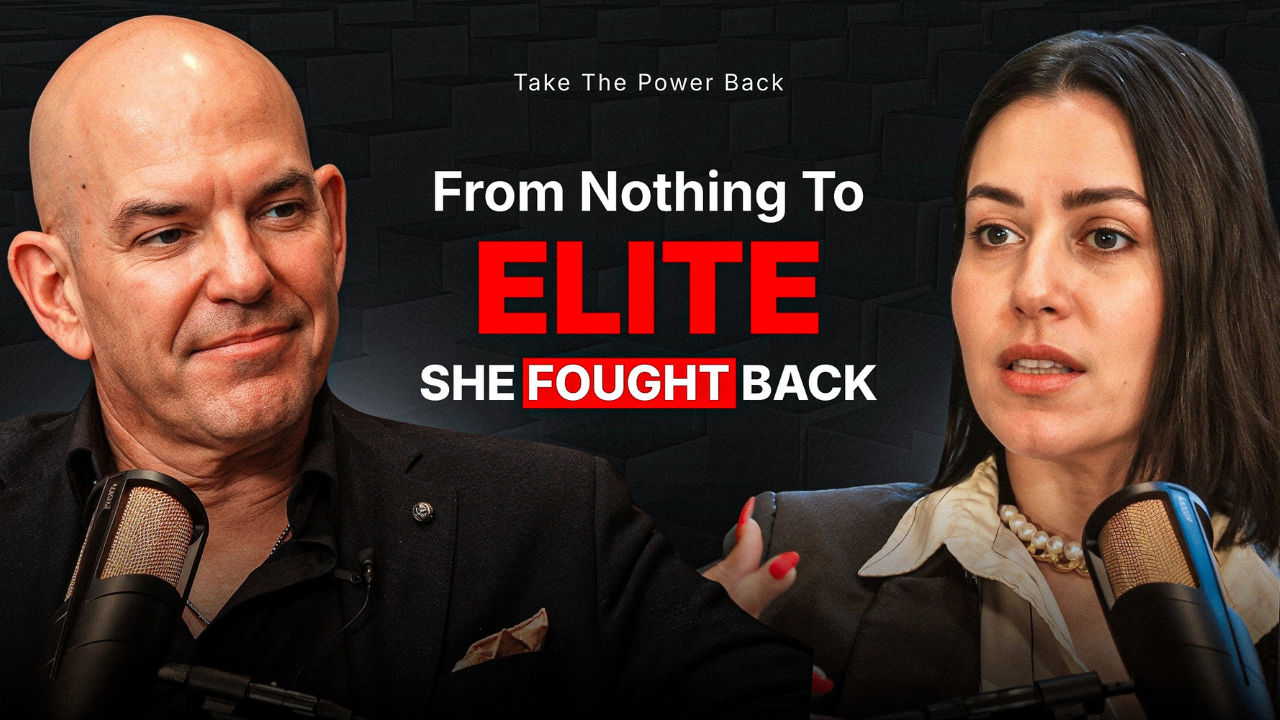
Why Cancer Made Rena Quit Her Stable Job to Start Event Lab
Before EventLab, Rena worked in the beverage industry as a brand ambassador for Red Bull. The job was stable. It came with health insurance. But she was planning events for someone else, and every success belonged to the company.
"I realized that what I love was the events, the build, the buildup, the excitement that people have walking into an event."
Then cancer changed everything.
"Unfortunately I got sick with cancer and I decided I had nothing to lose anymore. So I left my cushy little beverage event job and I started Event Lab out of thin air."
The diagnosis stripped away her fear. When you have faced something that scary, the risks of entrepreneurship suddenly look manageable.
How She Landed Her First Client With Zero Portfolio
Starting a business with no testimonials and no reputation meant convincing someone to trust her on faith alone. Her approach was simple: beg.
"I reached out to a bunch of friends. And I said, listen, I'm gonna be starting my own thing. If anyone has a really cool party or event coming up that they just need someone to put the pieces together for, I'll do it."
She charged maybe $500 for a casino-themed birthday party. The event was not glamorous. But she delivered.
"He told someone about us and they told someone about us and it turned into word of mouth. Fourteen years later, I have never paid one dollar for marketing."
One event started the snowball. Every satisfied client became a walking advertisement.
The Business Decision That Saved Event Lab in Six Months
Rena started with a business partner: her roommate. Before they had anything to lose, they put together a simple operating agreement.
"In the event that it didn't work out, I would take the business, she would take the check for the 25 bucks or whatever it was. It was the first smart business decision I made."
Within six months, the partnership fell apart. But the agreement let Rena keep the company with no legal battle. Protect yourself early, even when it feels unnecessary.
Why Established Event Planners Refused to Help a Newcomer
Rena needed guidance. She did not know the difference between an LLC and an S-corp. She reached out to other event planners. They told her to beat it.
"I would try to reach out to other event planners and they would tell me to beat it. Just saw me as competition."
The community only opened its doors once she had already proven herself.
"When I was a nobody, no one wanted to help me. But when my company had established itself, then all of a sudden everyone wants to collaborate."
Not every industry welcomes newcomers. Some gatekeepers will block you simply because your present future competition. Find alternative routes.
What She Would Do Differently If Starting Over Today
Looking back, Rena has one clear regret. She wishes she had built a portfolio before asking people to trust her.
"Ask your friends, can I come over and set up a table in your home? Can I decorate this space for you? Have a friend with a camera. Ask them, can I throw a party for you for free?"
In today's world, building a visual portfolio costs almost nothing. Your phone shoots professional-quality video. Create evidence of your abilities before you start selling.
Rena's Advice for Young Entrepreneurs
The limit does not exist when you are an entrepreneur. Especially in the beginning, there is no such thing as working hours and personal time. They are one and the same.
"If you do something you love, if you love the people you work with, it doesn't feel like sacrifice."
Her advice to anyone considering the leap:
"If it's even on your mind, it's meant to be. Because not everyone thinks that big. Go for it. Don't hold back. Don't be scared. There's gonna be terror all the way through. Choose entrepreneurship. Always."
Starting a Business With No Experience: Your Questions Answered
How do I start a business with no experience?
You can start a business with no experience by doing free work first to build proof of your skills. Offer to help friends or family with small projects. Document everything with photos or video using your phone. This gives you tangible evidence of your abilities instead of asking strangers to trust a promise. Rena Wiser built her entire company this way, and she recommends it as the single thing she wishes she had done sooner.
How do I get my first client without a portfolio?
You can get your first client without a portfolio by asking your personal network for one opportunity. Post on social media that you are starting a business and will work for a low fee or free to prove yourself. Deliver excellent work, then ask that client to refer you. Rena Wiser used this exact approach, charged $500 for her first project, and built a fourteen-year business entirely on word of mouth without spending a dollar on marketing.
How do I deal with rejection when starting out?
You deal with rejection by building around the people who say no. Many established professionals will refuse to help newcomers because they see you as future competition. This happened to Rena Wiser when she started her business. Every industry veteran she contacted rejected her. She succeeded anyway by finding her own path. Once she proved herself, those same people wanted to collaborate. Rejection from gatekeepers is not a stop sign. It is a detour.
Do I need a business partner to start a company?
No, you do not need a business partner to start a company. Many successful entrepreneurs operate solo. If you do choose a partner, create a simple operating agreement before you have anything to lose. Rena Wiser started with a partner who left after six months. Because they had a basic legal agreement in place, she kept the company with no dispute. That document was the smartest early decision she made.


.avif)