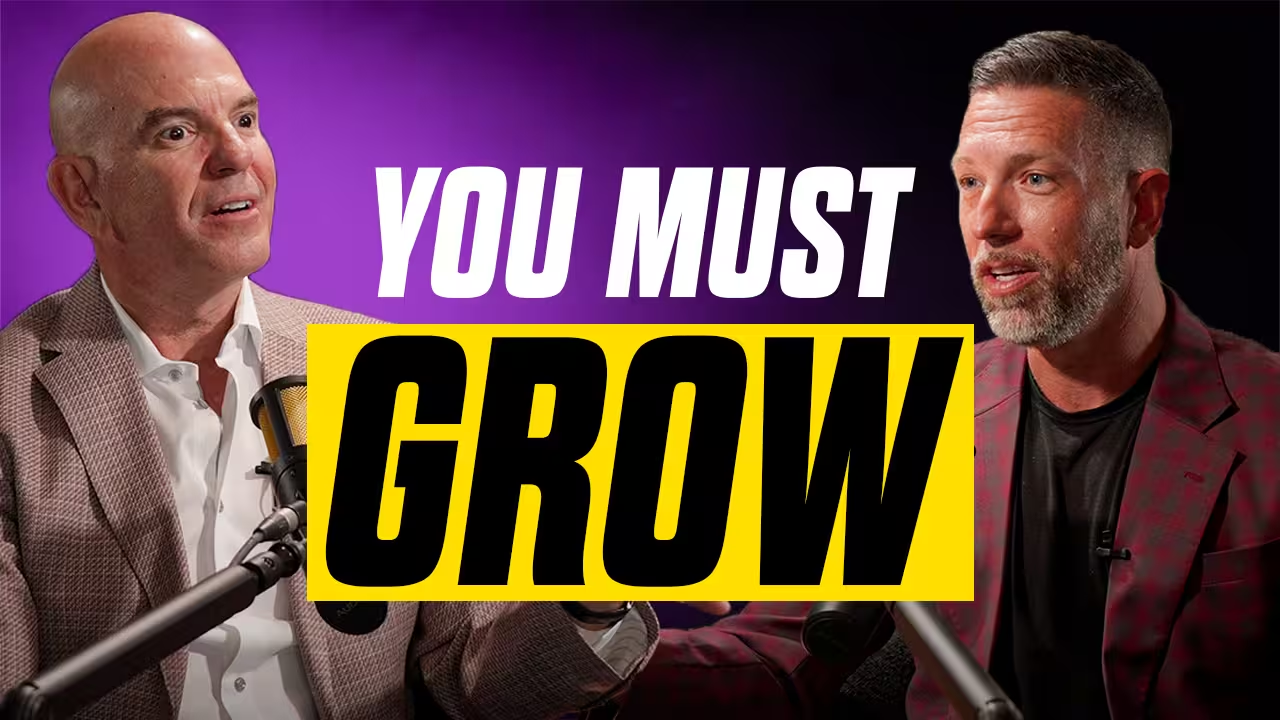




Why Patrick Chose Passion Over a Six-Figure Defense Job
When you retire from Special Forces, opportunities line up. Defense contracting. Government positions. Security work overseas. The pay is excellent. The path is clear.
Patrick turn edit all down.
"A big fat paycheck every month will keep you happy for a little while, but if you're absolutely miserable in whatever it is that you're doing, that's not sustainable."
He had been working on cars since age eight in his father's custom shop. Throughout his military career, he flipped wrecked vehicles on the side, buying them cheap, fixing them just enough to get back on the road, and selling them for a small profit. By the time he retired in 2019, he had saved enough capital to build his own facility and start Conquer Custom.
The decision was not about money. It was about freedom.
"Human shave free will and they want to exercise that. It's very difficult to be a robotic person your entire life and just kind of fit into the molds of everything."
If you're weighing a corporate path against starting something of your own, the Incubator Hub can help you take the first step.
The One Trait That Separates the Top 3% From Everyone Else
Special Forces selection is a 30-day gauntlet of physical and mental punishment. Candidates are dropped in the woods for days with minimal guidance. They carry impossible loads. They push past every limit they thought they had.
The strongest candidates sometimes quit on day two. The ones who barely meet the physical standards sometimes make it to the end. The difference is not strength. It is willpower.
"There are tons of people that have barely made those physical standards all the way to the end, and they still made it because they never quit. They just never gave up."
Patrick applies this directly to entrepreneurship. The first few years of Conquer Custom were brutal. The finances did not match the workload. He was underpaid for the hours he put in. But he kept going because he had trained himself to keep going when things got hard.
"That burning desire to never quit and keep going. That's the best advice I can give anybody. It seems like such a basic thing to say, but people have a real hard time doing it."
Looking for roles where grit matters more than pedigree? Browse jobs from employers who value drive over credentials.
Why Likability Is Not Enough to Build a Business
In Special Forces, Patrick served under leaders who could convince soldiers to follow them into gunfire. These were not just charismatic people. They were experts.
"Charisma can only take you so far. You have to be an expert. You have to be knowledgeable. Likability will get you somewhere, but if you're not the one we're turning to when we need answers, that likability kind of runs out."
This insight shapes how he runs Conquer Custom. He does not take on every job that comes through the door. He specializes in a narrow category of builds and refers everything else out. When clients call asking for work outside his expertise, he says no.
That discipline came from watching his father, who was a nationally recognized builder but struggled on the business side by taking on more than he could handle.
"I know where it leads. My father owned this car business his whole life, and I saw that in plenty of his years where he would find himself buried."
TTPB was built on a similar principle: substance over flash, results over credentials. Learn more about our mission.
The Advice Patrick Would Give to Any Young Entrepreneur
Patrick believes success comes down to three choices: your environment, your relationships, and who you take advice from.
"You only take advice from the person that you think you want to be. Not from the person that is not what you want to be."
He warns against listening to people who love you most when you are in pain. They mean well, but they often encourage you to quit when what you actually need is to push through.
"In the military, when you're in pain, the person to your right and the person to your left is picking you up. They're either picking you up or kicking your ass and making you do it anyways. You want that."
His final message is simple: be yourself and do not give up.
"Find out who you are along this path in life and stick to that. Don't compromise yourself just to make a buck. Find that passion and keep at it."
Want to hear more unconventional career advice? Book a speaker for your student club or organization.
Your Questions Answered
How do I know if I should start my own business or take a stable job?
You should consider starting your own business if you value freedom and self-determination over a guaranteed paycheck. Patrick Laughlin had high-paying job offers after retiring from Special Forces but chose entrepreneurship because he knew a salary would not make him happy long-term. Ask yourself whether you can tolerate being miserable in exchange for stability. If the answer is no, entrepreneurship may be the better path even if it pays less at first.
What is the most important trait for entrepreneurial success?
The most important trait for entrepreneurial success is the refusal to quit. Patrick Laughlin learned this in Special Forces, where only 3% of candidates complete selection. The people who made it were not always the strongest or fastest. They were the ones who refused to give up when everything was going wrong. This same trait determines who survives the first difficult years of building a business.
How long does it take for a new business to become sustainable?
A new business typically takes three to four years before the finances match the level of work you want to do. Patrick Laughlin experienced this firsthand with Conquer Custom. During the early years, he was underpaid for the hours he put in. The business only became sustainable after he refined his focus, built his reputation, and learned to say no to work outside his specialty.
Should I take advice from family when starting a business?
You should be cautious about taking advice from family when starting a business, especially when you are struggling. Patrick Laughlin warns that people who love you most often give bad advice when you are in pain because they want to protect you. Instead, seek advice from people who have already achieved what you want to achieve. Their guidance will push you forward rather than encourage you to quit.
Have more questions? Visit our FAQ page or contact us directly.


.avif)