



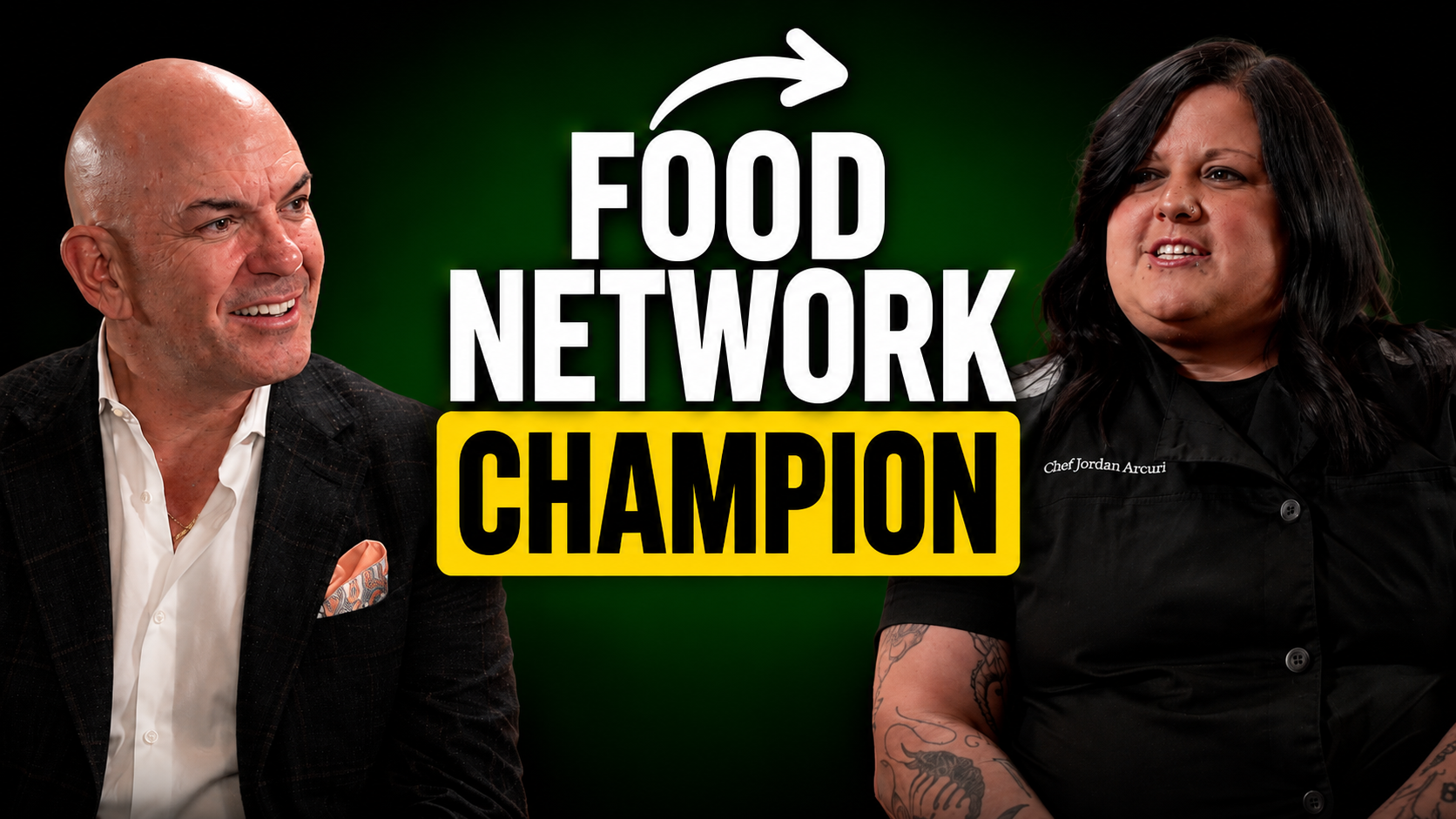
What Does It Take to Become an Executive Chef?
Most people picture culinary school as the finish line. Jordan is direct about the gap between that idea and the job. She points out that students often expect to walk out of school and straight into an executive chef role, and that the reality looks nothing like it. There is far more to learn than any program teaches.
An executive chef, in her description, wears every hat in the building. When the cooler stops working, she defrosts it. When an order does not arrive, she finds a way to serve the room anyway. The role blends cooking with plumbing, electrical troubleshooting, scheduling, and problem-solving under pressure. The hours are long, the holidays are often spent at work, and the heat is constant. She is honest that on a Friday night when the kitchen hits 90 degrees and every ticket is firing at once, the question "why did I choose this profession" runs through her mind.
What pulls her back every time is the payoff. Watching a team move in sync, or stepping into the dining room to see a guest's face light up at a plate she built, is the part that makes the grind worth it. For students weighing a demanding career, the honest version of the job is the useful one. Read more about how TTPB connects ambitious people with real paths on the about us page.
Ready to build a career on your own terms? Join the TTPB community and connect with employers who value drive over credentials.
How Do You Earn Respect When No One Expects You to Succeed?
Jordan learned leadership through formal classes early in her career, and the line that stuck with her was that leadership starts at the top. She does not interpret that as authority by title. When she takes over a kitchen, she does not come in, in her words, guns blazing. She comes in knowing she has to earn the room.
Her method is to work beside her team and let competence do the talking. At one steakhouse, half her staff barely spoke English, so she taught them to break down fish, chicken, and steak by demonstrating it herself. That kitchen ran 400 to 500 covers a night with 25-minute ticket times, a brutal pace for a steakhouse, because the team trusted that she would not ask anything she would not do first. She describes herself as positive and quick to smile, but firm on standards, because people want accountability and structure. Some read her directness in the heat of service as harshness. She reads it as the clarity a working kitchen needs.
The result was a team that showed up. When she sent a message asking for help on a holiday, the whole kitchen appeared. Food runners studied her techniques and came in early to learn. That loyalty was not granted by her position. She built it shift by shift. TTPB highlights this kind of earned leadership through its speakers bureau, where founders and operators share how they lead in practice.
Why Mentors Who Push You Beat Mentors Who Protect You
The chef who first doubted Jordan became one of her most important teachers. When she returned and took the job, he was stern, but he pushed her rather than holding her back. He taught her to handle premium cuts she had never worked with fresh out of school, including Australian Wagyu and techniques like sous vide. She names him among the best chefs she ever worked with, the same person who had made her feel unwelcome at first.
Another mentor, an older chef from Louisiana with fine-dining roots, worked beside her for years. He was demanding and at times a yeller, but he was relentless and generous with what he knew. His message to her was simple: if you are uncomfortable, do more. Do not give up. Do more. She carried that forward even after he passed away, and she still credits his drive for shaping her own.
The pattern matters for anyone early in a career. The people who served Jordan most were not the ones who shielded her from difficulty. They were the ones who set a high bar and refused to let her shrink below it. That is the same conviction behind TTPB's incubator, which pushes ambitious students to build rather than wait for permission.
What Separates a Good Chef From a Business-Minded Chef?
Jordan is firm that cooking skill alone does not make a successful chef. The higher you move into leadership, the more the job becomes business. She tracks food cost and labor cost closely and can explain every number rather than offer excuses. When she started at one steakhouse, food cost sat around 45 to 48 percent. She brought it down to 38 to 40 percent in a market where steak prices push costs high, and she did it through systems and documentation.
Her framework for fixing a struggling operation is a 30, 60, 90 day plan. She walks into a kitchen, identifies what is broken, implements systems, and measures whether the changes work. She rejects the idea that strong sales prove a healthy business, because revenue hides problems. The real test comes when business is slow and you have to protect labor and food cost anyway. That is when discipline shows.
For students who see themselves as entrepreneurs, the lesson translates directly. Passion gets you in the door, but systems, numbers, and accountability keep the doors open. Explore open roles that reward this kind of ownership on the TTPB jobs board, and reach out through the contact page if you want to get involved.
Find a role where your skills speak louder than your resume.
How Do You Become an Executive Chef?
What steps lead to becoming an executive chef?
Becoming an executive chef starts with culinary training, but the title is earned through years of hands-on work that school does not cover. Start in a working kitchen, master core techniques like breaking down proteins, then take on more responsibility as a line cook, sous chef, and chef de cuisine. At each level, learn the operational side: ordering, food cost, labor, and how to run service under pressure. Seek out demanding kitchens and mentors who push you, because growth comes from being stretched, not protected.
How does a new chef earn respect from a kitchen team?
A new chef earns respect by demonstrating skill rather than asserting authority. Work beside the team, teach techniques by example, and hold a consistent standard. Jordan's approach is to be positive and approachable while remaining firm on accountability, because teams want structure and clarity. Respect grows when a leader does the hard work alongside the staff and shows competence shift after shift, not on day one.
How should a chef handle a failing or underperforming kitchen?
Use a structured 30, 60, 90 day plan. In the first phase, assess what is broken, from food cost to service flow. In the next, implement systems and document everything so problems are measurable. In the final phase, adjust based on results. Track food cost and labor cost continuously, and judge the business during slow periods rather than busy ones, because strong sales can hide weak operations. Replace excuses with numbers you can defend.
What business skills does an executive chef need?
An executive chef needs to manage food cost, labor cost, inventory, and scheduling as fluently as recipes. The role requires reading and defending financial numbers, building systems that hold up when the kitchen is busy or slow, and understanding that the operation is a business first. Leadership, training, and basic facilities troubleshooting round out the skill set. Cooking is the entry point, but business literacy is what sustains a career at the top.


.avif)